A 15-Minute Declutter Routine That Actually Sticks
By Grant H. Caldwell, author of Decluttering Hacks for Busy People
The direct answer: pick one small surface you can finish, decide keep, donate, or discard for each item, and protect the result with a 15-minute weekly reset. Decluttering sticks when the task fits a busy day — not when it starts with emptying a whole room.
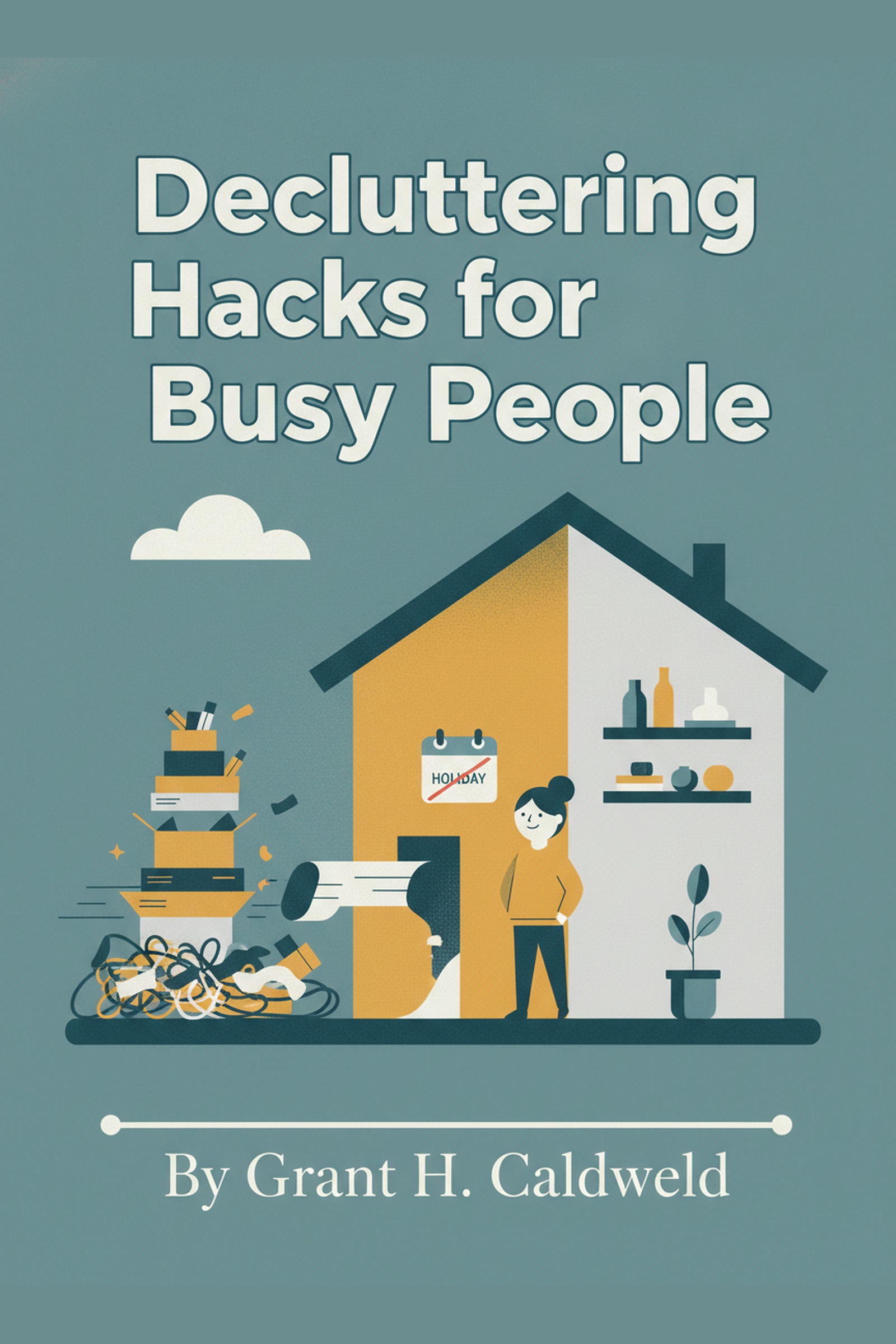
The tips below come from Decluttering Hacks for Busy People, which collects 101 practical tips to clear the clutter, reclaim your space, and keep your home organized.
1. Choose a starting point you can finish
The easiest place to begin is one you can see and finish quickly. A corner of the kitchen counter, the entryway bench, or your bedside table can make a good first target — these small surfaces often collect everyday items, so clearing one creates an immediate before-and-after result. Pick an area that can be handled with the time and energy you have today, not the one that seems most impressive to tackle. Before you begin, decide what "clear" means for this spot: you might keep only the lamp and book on a bedside table, or leave just a fruit bowl on the counter.
2. Use simple keep, donate, and discard decisions
Sorting gets easier when each item has a clear next step. Keep items you use regularly, need for a specific purpose, or genuinely enjoy having in your home. As you sort, ask a few practical questions: Have I used this in the past year? Does it fit my household now? Would I choose to bring it into this room today? Seasonal gear and important documents may earn their place through occasional use, even if they are not used every week. Once you decide to keep something, give it a sensible home before moving on — put it with similar items, in a spot that makes it easy to find and return — and avoid creating a "keep for later" pile.
3. Build an entryway that catches everyday clutter
The entryway works best when the things you carry every day have an obvious place to land. Start by clearing the area before choosing storage: set a 15-minute timer, remove everything from the entryway floor, bench, and nearby surfaces, and sort items into keep here, belongs elsewhere, and donate or discard. Take items that belong elsewhere directly to their proper rooms instead of moving them to another nearby surface. Then look at what remains — the shoes, bags, outerwear, keys, and seasonal accessories your household actually uses regularly — and give those an easy-to-reach landing place.
4. Clear one kitchen counter and create a work zone
A clear counter gives you room to prepare food, unload groceries, and clean up. Choose one counter, table, or section of the island — not the entire kitchen — and set a timer for 15 minutes. Remove everything from that surface so you can see the space, then sort into things that belong in the kitchen, things that belong elsewhere, and things that need a keep, donate, or discard decision. Return obvious kitchen items to their proper homes, and carry misplaced belongings to a designated return basket rather than making extra trips across the house. If you are unsure about an item, set it aside instead of stalling the whole reset.
5. Give the bedroom a 15-minute reset
A bedroom reset does not need to start with pulling everything out of drawers or moving furniture. Set a 15-minute timer and begin with the bed, then work across the floor: put dirty clothes in the hamper, return shoes to their usual spot, and gather items that belong elsewhere. A small carry-out basket can hold dishes, books, or household objects until you leave the room — but keep the basket small enough to carry easily, and empty it after the reset so it does not become another storage spot. Make the bed if that helps the room feel settled, but do not spend the whole session arranging pillows. The goal is clear, usable space, not a perfect room.
6. Give incoming paper one landing zone
Paper piles grow when every envelope, notice, and receipt lands in the same place without a next step. Choose a tray, upright file, or small box near the place where mail usually enters your home as the single spot for unsorted incoming paper — not a permanent filing system. When every envelope, school notice, and receipt has a predictable destination, it is less likely to spread across counters and tables. Keep the container small enough that a full tray signals it is time to sort, and set a recurring check-in once or twice a week, perhaps after dinner or before taking out the recycling.
7. Run a 15-minute weekly reset so clutter stops returning
Maintaining an organized home does not require a perfect daily routine or a marathon cleanup every weekend. Choose a weekly reset time that already has a place in your week, such as Sunday afternoon or just before the first weekday dinner. Set a timer for 15 minutes, then visit the spots where clutter tends to gather: the entryway, kitchen counter, living room, and one paper or laundry area. Return misplaced items, clear the surfaces you need, and remove obvious rubbish or recycling. If you miss a day, restart with the next small reset — there is no need to catch up on everything at once.
Frequently asked questions
Where should I start decluttering?
Start with one visible surface you can finish in the time you have today, such as a corner of the kitchen counter, the entryway bench, or your bedside table, and decide what "clear" means for that spot before you begin.
How do I decide what to keep?
Ask whether you have used it in the past year, whether it fits your household now, and whether you would choose to bring it into the room today. Once you keep something, give it a sensible home with similar items.
Do I need to buy storage first?
No. The book advises choosing organizers only after you know what must fit, so storage follows decisions rather than preceding them. For sentimental items, it suggests separating the memory from the object and sorting keepsakes in small, manageable batches.
How do I keep clutter from coming back?
Run a short weekly reset: 15 minutes visiting the spots where clutter gathers, returning misplaced items and clearing surfaces. If you miss a day, restart with the next reset instead of trying to catch up on everything.
Keep going with the book
Decluttering Hacks for Busy People — 101 Practical Tips to Clear the Clutter, Reclaim Your Space, and Keep Your Home Organized.
$2.99 launch price, Oct 25 – Nov 24, 2026$7.99 ebook on Google Play
Decluttering Hacks for Busy People — book page · 101 Tips series
Related reading
Once the kitchen is clear, the next system is the money one: How to Cut Your Grocery Bill With a Family Meal Plan That Bends uses the same pantry-first approach for groceries. For the full set of tips, see the 101 Tips series.