How to Declutter Sentimental Items Without Guilt
By Grant H. Caldwell, author of Decluttering Hacks for Busy People
The direct answer: keep the memory, not every object. Name the story behind each item, keep the one piece that represents it best, photograph the bulky things, and give genuine uncertainty a dated decision box instead of a permanent pile. Letting go of an object does not erase the person or the moment it came from.
The tips below come from Chapter 6 of Decluttering Hacks for Busy People, which collects 101 practical tips to clear the clutter, reclaim your space, and keep your home organized.
1. Name the story before you decide anything
Sentimental belongings are hard to sort because an object may stand for a person, a time in your life, or a meaningful experience. Before deciding what to do with a keepsake, pause long enough to name why it matters: a chipped mug might bring back a relative's laugh, while a ticket stub may remind you of a trip with a close friend. Say the memory aloud or write one sentence about it. That simple step makes the decision feel less like judging the object and more like choosing how to care for the story it represents. Then ask whether the object itself is important, or whether it is a prompt for remembering something you already carry with you. You may discover that the story matters deeply even though you do not want the item in your home.
2. Keep the best example, not every example
When several objects represent the same person, occasion, or period of life, ask, "What do I want to keep from this?" Your answer might be a detail, such as a handwritten message, a favorite color, or the feeling of a family celebration. Once you know what matters most, look for the item that represents it clearly and meaningfully to you. One handmade card may capture a child's early handwriting better than a stack of similar cards. Choose a representative keepsake because it feels right, not because of a strict rule about how many items you may keep. You can photograph the group or write a short memory to accompany the one you select, then place the chosen item somewhere you can find it rather than returning it to an overflowing box.
3. Sort keepsakes in small batches with a 15-minute timer
A box of mixed keepsakes can turn a short tidy-up into an overwhelming project. Choose one narrow category before you begin — greeting cards, travel souvenirs, family photographs, children's artwork, or belongings from one celebration — and gather only those items in one place. Comparing similar things makes it easier to spot duplicates and decide which pieces you genuinely want to keep. Set a timer for 15 minutes and prepare three destinations: keep, let go, and decide later. Look at one item at a time, beginning with the easiest choices. When the timer rings, pause and contain everything: return keepsakes to their designated place, put items you are letting go of into a donation bag or recycling container, and label the undecided group with the date.
4. Photograph bulky items before letting them go
Large toys, furniture, seasonal decorations, and handmade projects can be meaningful while also taking up more space than you can spare. If the memory matters more than continued use, photograph the item before you pass it on. Choose a clear angle, and include a familiar room, person, or detail if it helps show why the object was special. For a child's project, a picture of the maker holding it can capture its scale and personality. Add a short caption with useful context: the date, occasion, maker's name, or a sentence about its story. Save the image in a dedicated digital album with a label you will remember, such as "Family keepsakes" — and avoid creating a large collection of unlabelled photos, which simply moves the clutter somewhere else.
5. Let the container be the boundary
Choose a drawer, album, or keepsake box that suits the space you have available. As you sort, place your favorites inside and stop when the container is full. If you want to add another item, compare it with what is already there and decide whether it matters more to you than something you have kept. This gives an open-ended project a practical limit without requiring you to follow an arbitrary item count. Pick a container that protects its contents and is easy enough to access that you can enjoy what is inside, store it somewhere dry, and label it clearly with its category or contents. If the container is already full, resist adding another one automatically; first review the current collection.
6. Use a dated decision box for genuine uncertainty
When you feel stuck on a particular group of belongings, use a decision box as a temporary pause — not as a way to avoid the decision indefinitely. Choose a sturdy container that fits the items, label it with today's date, and add a review date, such as three months from now. Keep the box in a designated storage spot, not in a walkway or somewhere it will be opened and reconsidered every week. When the date arrives, look through the contents and notice what you remembered, missed, or feel ready to release. If you still want an item, give it a proper home in your keepsake space. If you did not need it and feel comfortable letting it go, donate, recycle, or discard it as appropriate. You can extend the review once if circumstances have changed, but set another firm date.
7. Check ownership before sorting family belongings
Before moving, donating, or discarding something in a shared area, find out who owns it. A box in the hall closet may belong to a partner, child, or relative, and an inherited object may have meaning that is not obvious to everyone. Explain what you are organizing and ask the owner to make the decision about their belongings. When an item is genuinely shared, agree together on whether to keep it, relocate it, or let it go — starting from the available space, for example one shelf for shared keepsakes. If a family item is taking up space and nobody in your household wants it, ask relatives whether they would like it before choosing another destination: share a photo and a brief description, give them a reasonable response date, and make it easy for them to decline. If nobody claims it by the agreed date, consider selling, donating, recycling, or disposing of it according to its condition.
Frequently asked questions
Do I have to get rid of sentimental items to declutter?
No. The goal is to keep the items that matter most in a defined space you can actually enjoy, not to empty every keepsake box. Choose a representative keepsake for each memory, photograph bulky pieces, and give the rest a proper home.
Why do I feel guilty letting go of a gift or keepsake?
Because the object stands for a person or a moment, and letting go can feel like dismissing that connection. Naming the story behind the item first — saying it aloud or writing one sentence about it — separates the memory from the object, so the decision becomes about how to care for the story, not about judging the object.
What should I do with sentimental items that belong to someone else?
Check ownership before sorting, donating, or discarding anything in a shared area, and let the owner decide. If a family item is taking up space and nobody in your household wants it, offer it to relatives with a photo, a brief description, and a reasonable response date — and make it easy for them to decline.
How do I keep keepsakes from taking over again?
Let one container be the boundary: when the box, drawer, or album is full, compare any new item with what is already there and decide whether it matters more. Run a brief keepsake check-in once or twice a year to straighten the collection and remove anything that no longer feels important.
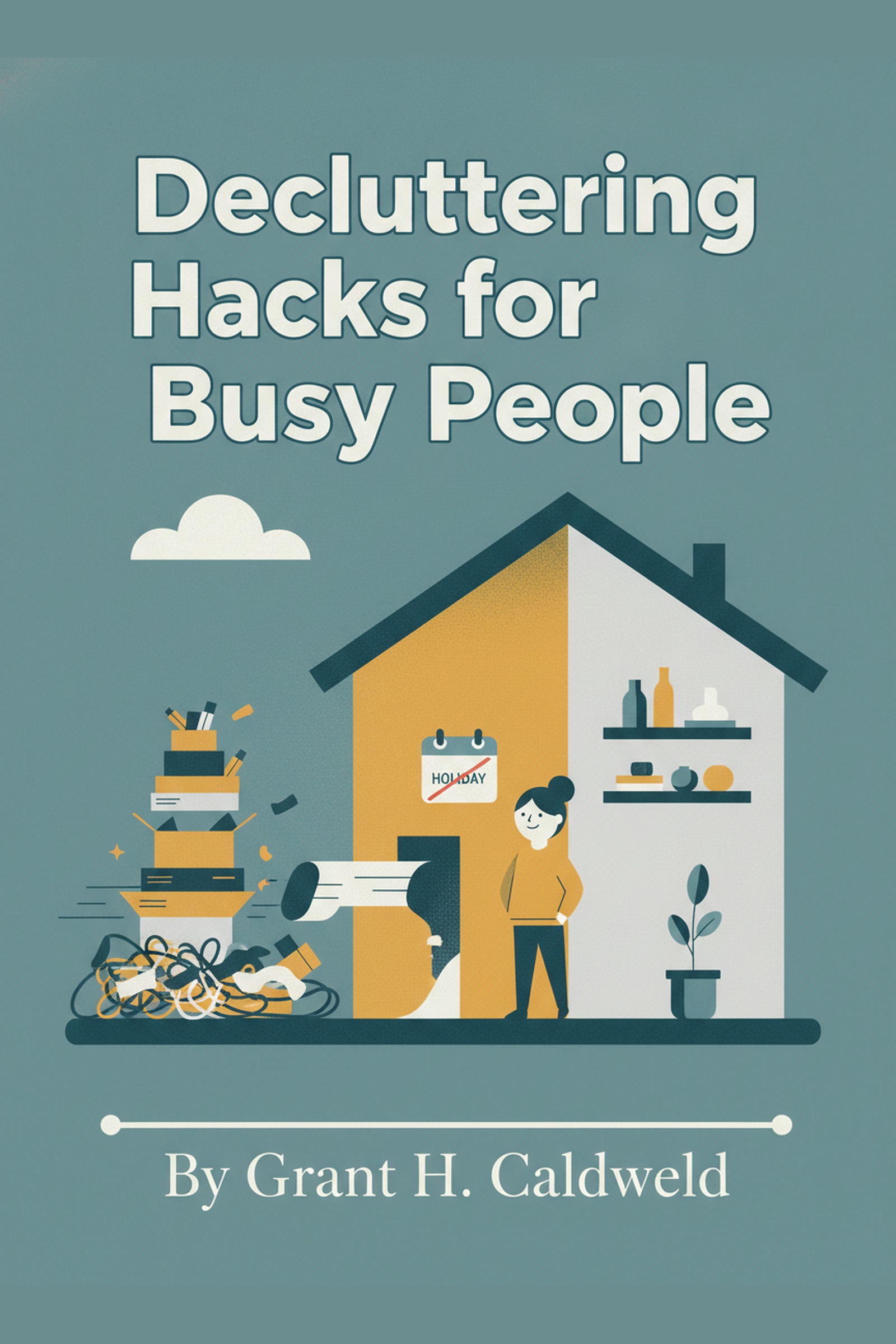
Keep going with the book
Decluttering Hacks for Busy People — 101 Practical Tips to Clear the Clutter, Reclaim Your Space, and Keep Your Home Organized.
$2.99 launch price, Oct 25 – Nov 24, 2026$7.99 ebook on Google Play
Decluttering Hacks for Busy People — book page · 101 Tips series
Related reading
For the room-by-room system this pairs with, see A 15-Minute Declutter Routine That Actually Sticks. For the full set of tips, see the 101 Tips series.